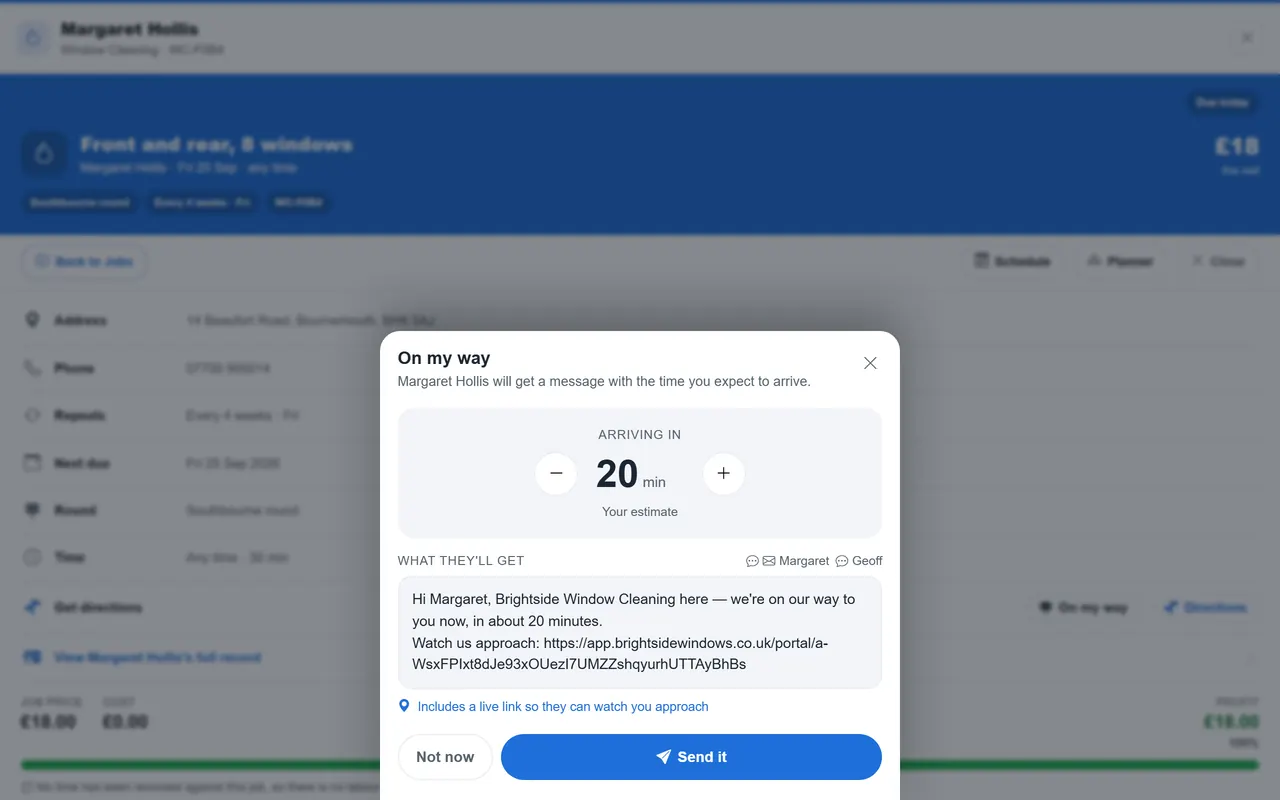
One app, four platforms: how we ship to web, iOS, Android and Windows at once
TradeYoke's web app and native apps are the same code. Here's what that buys customers — and the rules we follow to keep it true.
The rule
Everything a user sees lives in shared components. The web server, the browser and the native apps are thin shells that host those same components. A feature built for the web is therefore, automatically, the same feature everywhere.
What it means for you
- No "that's only on the desktop version" — the office and the van have the same capabilities.
- Fixes ship to every platform together.
- The native apps work offline; the web app is the always-online front door.
The discipline it takes
Platform differences — cameras, GPS, file pickers, notifications — go behind an interface with one implementation per platform. Nothing in the shared code may call a web-only or device-only API directly. We treat a missing implementation as a bug, because it would silently break one platform.